


Contact our offices
Main office
COLBURN
5 & 6 BAILEY COURT
COLBURN BUSINESS PARK
RICHMOND
NORTH YORKSHIRE
DL9 4QL
Estate Agency Offices are located in
BOROUGHBRIDGE & RICHMOND
Residential Management Team
Our Offices
- Alnwick
01665 568310
Email Officealnwick@gscgrays.co.uk - Boroughbridge
01423 590500
Email Officeboroughbridge@gscgrays.co.uk - Chester-Le-Street
0191 3039540
Email Officechester-le-street@gscgrays.co.uk - Colburn
01748 897630
Email Officecolburn@gscgrays.co.uk - Driffield
01377 337180
Email Officedriffield@gscgrays.co.uk - Hamsterley
01388 487000
Email Officehamsterley@gscgrays.co.uk - Hexham
01434 611565
Email Officehexham@gscgrays.co.uk - Kirkby Lonsdale
01524 880320
Email Officekirkbylonsdale@gscgrays.co.uk - Penrith
01768 597005
Email Officepenrith@gscgrays.co.uk
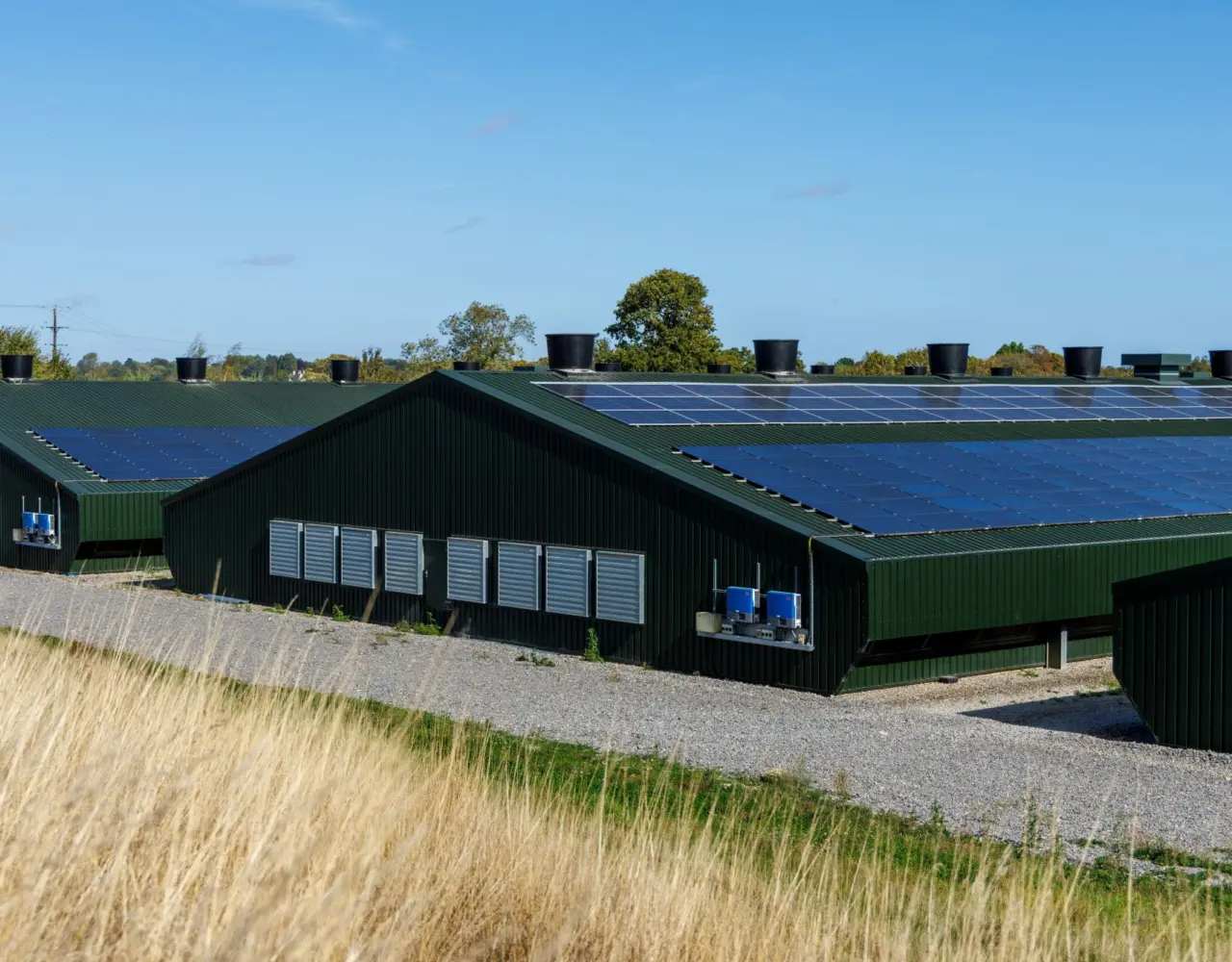
Strategic farm finance: Why choosing the right finance for the right purpose matters
One of the most common misconceptions I encounter when reviewing farming businesses is that a borrowing problem must mean a debt problem. In reality, this is rarely the case.
Many of the farms I work with are profitable, well-managed businesses with strong asset bases and clear long-term plans. The challenge is often not how much they have borrowed, but whether that borrowing has been structured appropriately.
Borrowing is now an integral part of modern farm business management. Whether replacing machinery, investing in buildings, expanding an enterprise or simply managing seasonal cashflow, finance can be a valuable tool. The real question is not whether to borrow, but whether the funding is fit for the purpose it is intended to serve.
Time and again, I see funding decisions made in response to opportunity. A machine becomes available, a building project needs to start, or an investment cannot be delayed. Finance is arranged, the investment goes ahead and attention moves elsewhere. What is often overlooked is whether the structure of the borrowing is suited to the asset being funded and the length of time it is expected to generate value.
Match the Borrowing to the Asset
In agriculture, Hire Purchase (HP) has long been the go-to solution for machinery purchases, and for good reason. It is straightforward and usually aligns well with the working life of tractors, combines and other assets. The repayment profile is clear, ownership transfers at the end of the agreement, allowing businesses to invest while preserving valuable working capital.
Problems can arise, however, when the same thinking is applied to very different types of investment.
New livestock housing, grain stores, yard developments and environmental infrastructure often have useful lives that extend far beyond the term of a typical machinery finance agreement. Trying to repay those investments too quickly can place unnecessary strain on cashflow and restrict a business’s ability to invest elsewhere.
Equally, long-term borrowing for short-term requirements can be equally problematic. Seasonal cashflow pressures, input purchases and temporary working capital requirements are often better suited to facilities designed for short-term needs, rather than borrowing that remains in place long after the original requirement has passed.
The principle is straightforward: borrowing should broadly reflect the lifespan of the asset or benefit being created. Yet in practice this doesn’t always happen.
The Cost of Borrowing Drift
Another compounding issue is that farm borrowing often builds gradually over many years. A machinery agreement here, a property loan there, an overdraft that has that has simply rolled forward year after year. Each decision may have been entirely appropriate at the time, but collectively, the overall structure may no longer be serving the business effectively.
I recently worked with a large multi-enterprise farming business that illustrates this point. The business was fundamentally strong, supported by significant assets and a clear strategic direction. The challenge lay not with its operations, but with the way borrowing had evolved over time.
A combination of shorter-term finance agreements had been used to fund investments delivering much longer-term benefits, while other facilities had accumulated as the business expanded. The result was increasing pressure on cashflow and a reduction in financial flexibility.
Following a comprehensive review, the funding structure was reorganised so that the term and type of each facility better reflected the purpose of the borrowing. The result was a reduction of around £150,000 per year in interest and capital repayments. This significantly eased pressure on cashflow, reduced monthly commitments and gave the business greater confidence to plan for the future.
That outcome was not achieved simply by securing a cheaper interest rate. It came from taking a step back and asking whether the borrowing structure still reflected the needs of the business, the assets being funded and the timescales over which those assets would generate value.
Finance Should Support Strategy
Farmers are rightly focused on making productive investment decisions. New technology, infrastructure improvements and business development all play an important role in building competitive and profitable enterprises. However, the finance supporting those investments deserves the same level of scrutiny as the investment itself.
The farming businesses best placed to navigate uncertainty are rarely those carrying no debt at all. More often, they are businesses with borrowing that is structured appropriately, managed proactively and aligned with their long-term objectives.
Regular reviews with professional advisers can identify opportunities to improve working capital, smooth cashflow and strengthen financial resilience. The objective is not always to borrow less, but to ensure that borrowing is working as effectively as possible.
This becomes particularly important during periods of change. Interest rate movements, tax reforms, succession planning, diversification projects and environmental schemes can all alter a business’s financial requirements. Borrowing arrangements that were entirely appropriate five years ago may no longer support where the business is heading today.
In some cases, restructuring existing facilities can release pressure and create capacity for future investment. In others, it simply provides reassurance that existing arrangements remain fit for purpose. Either outcome has value.
For any farming business with multiple borrowing facilities, there is benefit in periodically stepping back and reviewing the overall picture. Waiting until cashflow comes under pressure is rarely the best time to act.
Finance should be viewed as a strategic tool rather than an administrative necessity. When borrowing is aligned with the asset, investment and timescale it is supporting, it can strengthen resilience, improve cashflow and create opportunities for future growth. When it is not, even the best investment decisions can place unnecessary constraints on the business.


Insights
Strategic farm finance: Why choosing the right finance for the right purpose matters
Read more




Client Feedback
We have had the pleasure of serving a variety of clients...
We received excellent service and were well informed at each stage of the process. We were pleasantly surprised when Kate whooped down the phone when she received the key for Golden Lion Mews! We would have no hesitation in giving you and the team 5 stars for service.
Mr and Mrs Marron
Client Feedback
We have had the pleasure of serving a variety of clients...
GSC Grays provide an experienced and professional service. From the initial contact with the valuer (Graham Wood) to the closure of the sale they keep you informed throughout. Graham and all of the staff are a pleasure to deal with. I would highly recommend them. I would also give you a 5 star rating.
Marian Lowe
Client Feedback
We have had the pleasure of serving a variety of clients...
I unhesitatingly recommend Gray’s Estate Agent in Barnard Castle. We explored a number of agents and chose GSC Grays not because they were the cheapest but because they most inspired our confidence. We were not disappointed; from the initial visit through various stages to completion we were impressed by the professionalism, attention to detail, excellent communication, competent negotiation, and willingness to go the extra mile in customer service. They facilitated the sale of our property in a way that made it feel a pleasure to sell.
H. Thorp
Client Feedback
We have had the pleasure of serving a variety of clients...
We have moved house several times over the years so feel well qualified to recognise good efficient service when we see it. All the way through, from the initial valuation to the day of completion, everyone at GSC Grays made us feel our sale really mattered. We were kept well informed of the progress of the sale and any questions we had were answered promptly and clearly. We would definitely recommend GSC Grays to anyone planning to buy or sell a property.
M. Scarborough
Client Feedback
We have had the pleasure of serving a variety of clients...
Thank you once again for the excellent care you have taken of us during the sale and now the purchase of our house. We have felt all along that you really cared and were really interested. A wonderful service.
A. Merck
Client Feedback
We have had the pleasure of serving a variety of clients...
Thank you for all your help during our move. It all got quite stressful towards the end and it was great to have you at the end of the phone offering reassurance and advice. We got there in the end and we are delighted with our new home! Just wanted to let you know how much your help was appreciated!
Katy
Client Feedback
We have had the pleasure of serving a variety of clients...
I just wanted to pass on my appreciation to the whole team for the fantastic job they did for me. The Sales Progression team had a particularly tricky job as the sale was less than easy but they were all amazing.
G.F
Client Feedback
We have had the pleasure of serving a variety of clients...
GSC Grays were recommended to me and in the years which I have worked with them, I have found their approach excellent. They take a long term view and provide exactly the right balance between pushing things on whilst keeping me informed – I am delighted to have them on board.
C.C
Client Feedback
We have had the pleasure of serving a variety of clients...
Excellent HomeBuyer Report service. Survey completed promptly and initial comments delivered by telephone within twenty-four hours with comprehensive written report received by post shortly after. Clear, concise documentation, which includes advice on rectifying defects and issues that legal advisors may wish to investigate, all professionally presented in a bound booklet enabling a timely informed decision to be achieved in respect of the purchase of the property. Thoroughly recommended.
A. Longstaff
Client Feedback
We have had the pleasure of serving a variety of clients...
GSC Grays have always provided a professional and friendly letting service for me. Their regular updates and communication have meant total peace of mind that my properties are being managed with the up most of care. I would definitely recommend GSC Grays to other landlords.
M.M
Client Feedback
We have had the pleasure of serving a variety of clients...
When your largest cost in selling/purchasing a new house is the estate agent fees it is a rather large cost to accept, especially with things like Rightmove been involved. However, once my sale was agreed and it was passed over to Catherine in the sales progression team I do believe the fee was easier to stomach as her role in the sale/purchase was worth its weight in gold, and without it, there is no doubt in my mind that things would have not got done in the timescales we and our seller wanted. I really do appreciate all of Catherine’s advice and help in keeping the whole process moving.
E. Sword
Lycetts
Client Feedback
We have had the pleasure of serving a variety of clients...
Thank you so much to the Barnard Castle Branch and the Sales Progression team for all your help with the purchase of our new home. We are absolutely delighted with the property and were really impressed by the service and experience we had at GSC Grays.
H. Langford
Client Feedback
We have had the pleasure of serving a variety of clients...
Thank you to everyone at GSC Grays for your friendly professionalism over the past two years and especially in more recent weeks. I greatly appreciated all you do and would have no hesitation in recommending you to anyone!
J.N
Client Feedback
We have had the pleasure of serving a variety of clients...
GSC Grays were recommended to me and in the years in which I have worked with them, I have found their approach excellent. They take a long term view and provide exactly the right balance between pushing things on whilst keeping me informed – I am delighted to have them on board.
A.N
Client Feedback
We have had the pleasure of serving a variety of clients...
Theakston Land has worked with Calum and his team for many years. That work has included a detailed analysis of costs to maximise value. The development appraisal work undertaken with GCS Grays means that I am confident we are getting the best possible price. They make a positive contribution at all levels and help to drive forward long term and complex development projects.
S Marlow
Theakston Land
Client Feedback
We have had the pleasure of serving a variety of clients...
During 2020 Holly Story has worked on Barningham Estate helping us in our understanding of Natural Capital assets. Holly was instrumental in Barningham’s successful ELMs Test and Trial bid and is leading in the bid’s implementation. Her understanding and thought leadership are helping to bring clarity and good sense to what seems an increasingly complicated agricultural world.
Sir Edward Milbank
Barningham Estate
Client Feedback
We have had the pleasure of serving a variety of clients...
We have been working with GSC Grays Farm Business team since 2018 and with Robert Sullivan for over 20 years. The advice and insight of the team has been invaluable and means that we are now in a much stronger position to face the future and the changes in the industry with confidence. Their passion and commitment to us and the farm is integral to our success.
T. Dent
Dinsdale Farming Ltd.
Client Feedback
We have had the pleasure of serving a variety of clients...
We could not have chosen a better estate agent. Excellent work from start to finish from all the well-motivated professionals with whom we came into contact. The house was well marketed, and communications were superb, we were always kept well informed.
Mrs A





© COPYRIGHT GSC GRAYS LIMITED
TRADING AS GSC GRAYS (ENGLAND AND WALES). COMPANY REGISTRATION NUMBER: 07715034.
REGISTERED OFFICE ADDRESS:
1 BAILEY COURT, COLBURN BUSINESS PARK, RICHMOND, NORTH YORKSHIRE DL9 4QL

Contact our offices
Main office
COLBURN
5 & 6 BAILEY COURT
COLBURN BUSINESS PARK
RICHMOND
NORTH YORKSHIRE
DL9 4QL
Estate Agency Offices are located in...
BOROUGHBRIDGE & RICHMOND
Residential Management Team
Our Offices
- Alnwick
01665 568310
alnwick@gscgrays.co.uk - Boroughbridge
01423 590500
boroughbridge@gscgrays.co.uk - Chester-Le-Street
0191 3039540
chester-le-street@gscgrays.co.uk - Colburn
01748 897630
colburn@gscgrays.co.uk - Driffield
01377 337180
driffield@gscgrays.co.uk - Hamsterley
01388 487000
hamsterley@gscgrays.co.uk - Hexham
01434 611565
hexham@gscgrays.co.uk - Kirkby Lonsdale
01524 880320
kirkbylonsdale@gscgrays.co.uk - Penrith
01768 597005
penrith@gscgrays.co.uk
Or please fill in your details below and one of our team will get back to you as soon as possible.